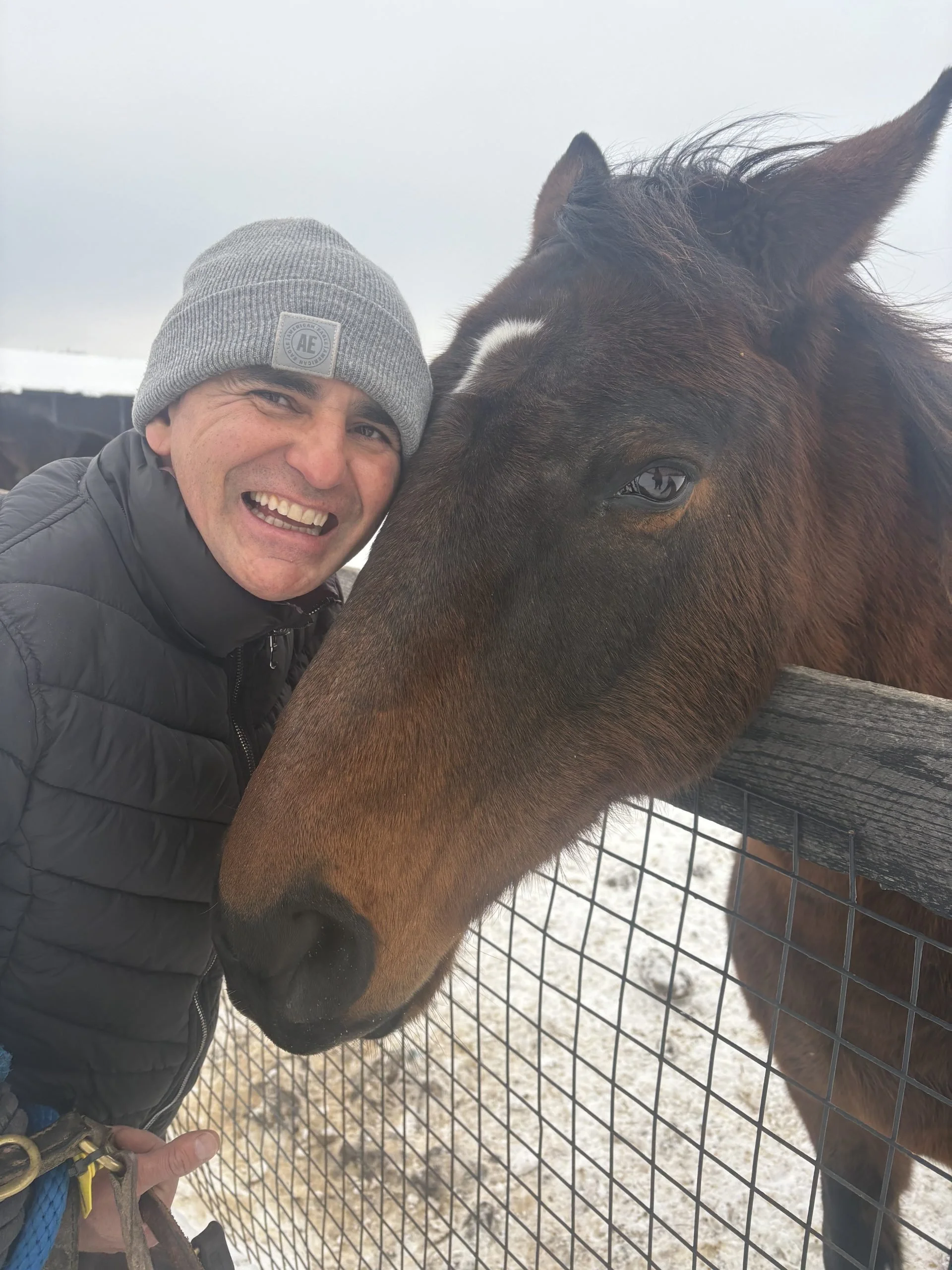
Why Sadness Can Appear After a Big Win — and How Horses Help High Performers Stay Balanced
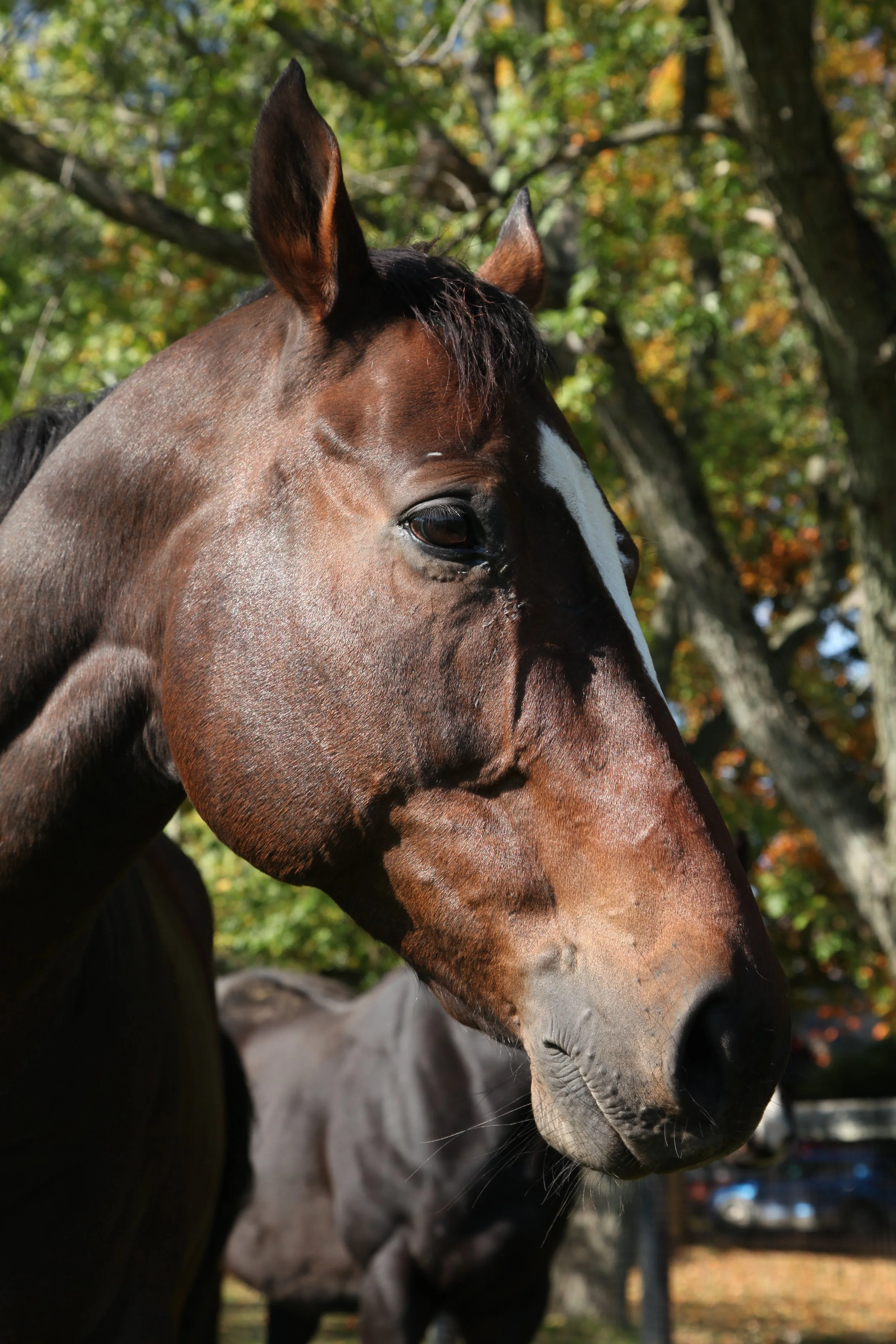
Many high performers are surprised when, days after a big victory, they feel an unexpected sadness, emptiness, or emotional drop. On the outside, everything looks perfect. The goal was reached. The results are there. Yet inside, something feels off.
This experience is more common than people realize.
During the pursuit of a goal, the nervous system lives in constant activation. There is pressure, focus, adrenaline, and a clear objective. When the goal is finally achieved, that intensity suddenly stops. The body and mind lose the structure that was holding everything together.
The result is often a quiet emotional crash.
This happens because high performance trains us to live in drive, but not always in regulation. We learn how to push forward, but not how to return to balance afterward.
The Nervous System Behind High Performance
When you are chasing results, the sympathetic nervous system dominates. This system is responsible for action, alertness, and survival. It is essential for performance, but it is not designed to stay activated for long periods of time.
After a big win, the body needs to downshift into a calmer, regulated state. When this does not happen naturally, emotions such as sadness, anxiety, or emptiness begin to surface. This is not weakness. It is biology.
I lived this firsthand during my career as a professional jockey.
What I Learned as a Jockey
When I was riding, my performance depended not only on physical skill or technique, but on my emotional state. Early in my career, I noticed that after big wins — or even after intense races — my emotions would swing. Sometimes there was excitement, other times doubt, pressure, or an inner emptiness.
Over time, I realized that inconsistency was not coming from lack of talent, but from emotional dysregulation.
When I began to consciously work with my nervous system — learning how to stay calm under pressure, how to process emotions after wins and losses, and how to return to presence — my career changed. My riding became more consistent. My decisions became clearer. My confidence grew, not from results, but from inner stability.
Mastering this emotional state was one of the most important factors in sustaining high performance.
The Heart of the Horse
Horses play a central role in this regulation.
A horse’s heart is approximately 10 to 15 times larger than a human heart. Yet despite its power and size, a horse’s resting heart rate is about half of ours.
This creates a strong, calm, and coherent rhythm.
Horses are prey animals. Their survival depends on their ability to move quickly into stress and just as quickly return to calm. They cannot afford to stay anxious, tense, or emotionally dysregulated for long. Over thousands of years, their nervous systems evolved to be extremely sensitive, balanced, and responsive.
When humans are near horses, especially in a grounded and intentional way, the horse’s nervous system naturally invites the human nervous system to slow down.
This is not symbolic. It is physiological.
Co-Regulation: How Horses Help Regulate Body and Emotions
Humans are wired for co-regulation. We regulate ourselves through connection. Horses offer this in a pure and honest way.
Because of their large heart and slow rhythm:
• Breathing naturally becomes deeper and slower
• Heart rate begins to synchronize
• Muscle tension decreases
• Emotional awareness increases without judgment
The horse does not respond to status, titles, or achievements. It responds only to what is happening in your body and emotions in the present moment.
For high performers, this is powerful.
Most high achievers live primarily in their minds — strategy, analysis, outcomes. Horses bring awareness back into the body, where true emotional regulation happens.
Balance Beyond Results
The horse does not care about your last win or your next goal. It cares about who you are right now.
This teaches one of the most important lessons in high performance:
You are not your results.
Winning matters. Excellence matters. But without emotional regulation, success often feels empty or unstable. Confidence becomes conditional. Pressure increases.
True confidence comes from knowing that you can stay grounded, present, and regulated — regardless of outcome.
Why I Created the Equine Experiential Connection Program
This understanding is the foundation of the Equine Experiential Connection program.
I created this program to help people not only achieve their best performance, but to do so with emotional balance, presence, and confidence. The work is not about riding horses. It is about learning, through the horse, how to regulate the nervous system, integrate emotions after success or failure, and build confidence from within.
The sadness that appears after a big win is not something to fix. It is a signal. It is the body asking for integration, not another goal.
Horses help create that integration naturally — through rhythm, breath, connection, and presence.
True high performance is not only about reaching the peak.
It is about knowing how to return to center afterward.
And the horse, with its powerful heart and calm rhythm, shows us how.