What Horses Teach Us About Dealing with Toxic People
We all encounter difficult or toxic people at some point in our lives. They might drain our energy, push our boundaries, or leave us feeling small and unsettled. Many of us struggle with how to respond — should we fight back, walk away, or try endlessly to please them? Horses, with their natural wisdom, can show us a healthier way.
Horses Know Boundaries Instinctively
In a herd, boundaries are clear. Horses communicate with subtle cues — a flick of the ear, a swish of the tail, a shift of the body. If one horse crosses another’s boundary, it is corrected immediately, without anger or resentment. The message is simple: this space is mine, and I need you to respect it. Then, once the boundary is honored, the herd moves back into harmony.
From them, we learn that boundaries don’t need to come from aggression or guilt. They can be calm, clear, and firm. When dealing with toxic people, this skill becomes essential.
Energy Doesn’t Lie
Horses are masters at reading energy. They don’t care about our words or masks; they respond to how we truly feel inside. If we approach a horse with hidden tension or suppressed anger, it will react cautiously or refuse to connect. If we are grounded and authentic, they soften and trust us.
Toxic people often thrive on manipulation and false appearances. By learning from horses, we can tune into energy rather than words, recognizing what feels safe and what doesn’t. This awareness helps us protect ourselves from being drained or deceived.
Choosing Connection Wisely
Horses do not try to win over every member of the herd. They connect where there is trust and distance themselves where there is threat. They don’t see this as rejection — it’s survival and self-respect.
When we deal with toxic people, we can mirror this wisdom. Not everyone deserves our trust, our energy, or our presence. Protecting ourselves is not cruelty; it is an act of self-care.
Walking Away Without Guilt
Perhaps one of the most powerful lessons horses offer is the ability to walk away. If the environment feels unsafe, they don’t argue, they don’t explain — they simply move. They choose peace over conflict.
Imagine applying this in life: instead of wasting energy trying to change a toxic person, we can step back, breathe, and redirect our focus to spaces and people who nourish us.
Conclusion
Horses remind us that we have the right to clear boundaries, to trust our intuition, and to choose peace over chaos. By observing and learning from them, we can transform how we relate to toxic people.
In the end, the wisdom is simple: protect your space, honor your energy, and walk with those who respect you. That’s not just survival — that’s freedom.
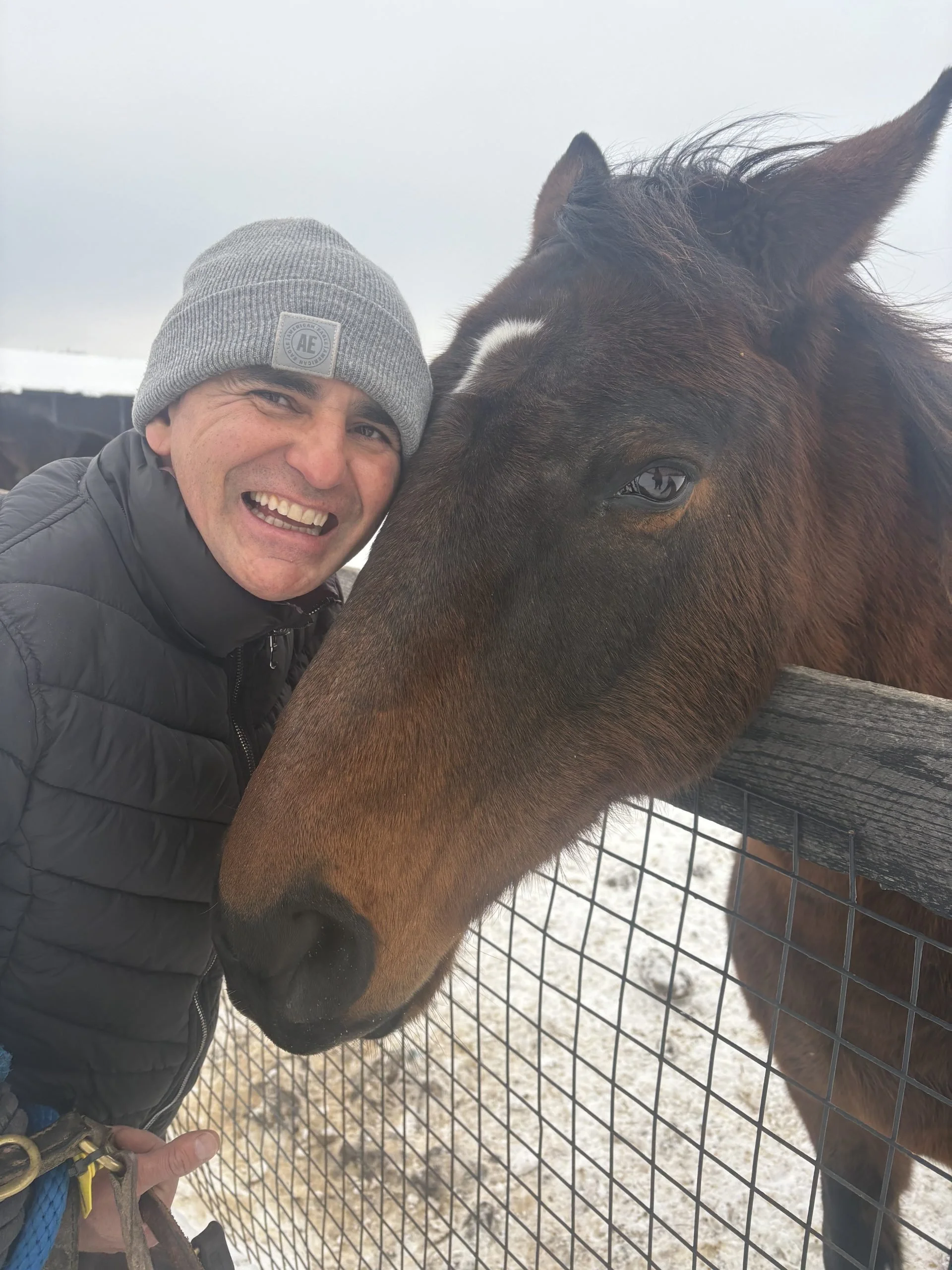
Photo by Nick Damas.