When Horses Speak: The Language of Frequency, Energy, and Presence
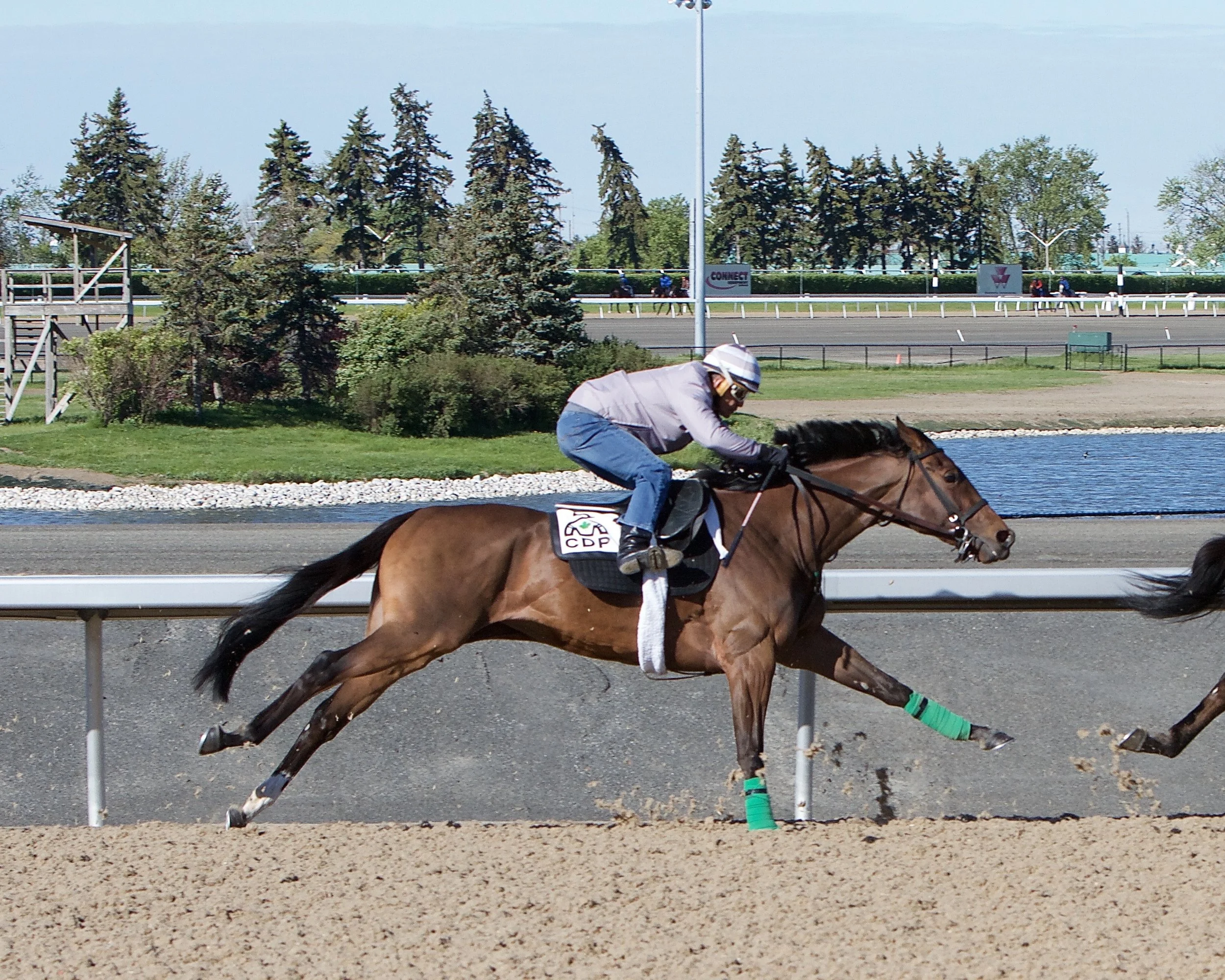
For 30 years, I rode horses professionally.
I spent thousands of hours on their backs. I learned how to feel their movement, anticipate their reactions, understand their rhythm, and communicate with them in the middle of a race.
But today, I can tell you something with complete honesty:
I knew very little about the true power of the horse.
My knowledge was deeply connected to performance. I knew how to connect with a horse so I could help that horse run faster, perform better, and reach its potential on the racetrack.
I understood the horse as an athlete.
But I had not yet discovered the horse as a mirror.
As a teacher.
As a guide.
As a powerful partner in human transformation.
That changed when I discovered the FEEL program and Equine Experiential Learning.
It opened a completely different door for me.
I began to understand that horses communicate far beyond words.
They communicate through presence.
Through body language.
Through movement.
Through subtle changes in their breathing, posture, attention—and what I describe as frequency and energy.
And once you become quiet enough to notice, the conversation becomes incredibly powerful.
The horse doesn’t need you to speak.
It needs you to be present.
When I work with a client in the round pen, I often witness moments that are difficult to explain with words alone.
A horse may suddenly change its movement.
It may become still.
It may approach.
It may move away.
Sometimes I observe subtle changes in the horse’s body, including trembling or vibrations in its muscles.
And at the same time, something begins to shift in the person standing in front of it.
Their emotions surface.
Their breathing changes.
Their body responds.
Sometimes they become emotional without understanding why.
Sometimes memories arise.
Sometimes they suddenly recognize something about themselves that they have been avoiding for years.
And this is where the magic begins.
Not because the horse is performing a trick.
Not because we are forcing an outcome.
But because the horse is responding to what is happening in the present moment.
Horses live in the now.
They don’t care about your résumé.
They don’t care about your title.
They don’t care how successful you are.
They don’t care how much money you make.
And they certainly don’t care about the image you have created for the world.
A horse responds to what is real.
If you are anxious, it may notice.
If you are disconnected, it may notice.
If you are trying to control everything, it may notice.
If you are afraid, it may notice.
And when you begin to become more grounded, authentic, and present, the horse can respond differently too.
This creates an extraordinary opportunity for self-awareness.
The horse becomes a mirror—not a judge.
And that distinction is profound.
For years, I thought communication with horses was about control.
Now I understand that the deepest communication is about connection.
As a jockey, I learned how to influence a horse’s performance.
Through Equine Experiential Learning, I began learning how a horse can influence our awareness.
That completely changed my relationship with them.
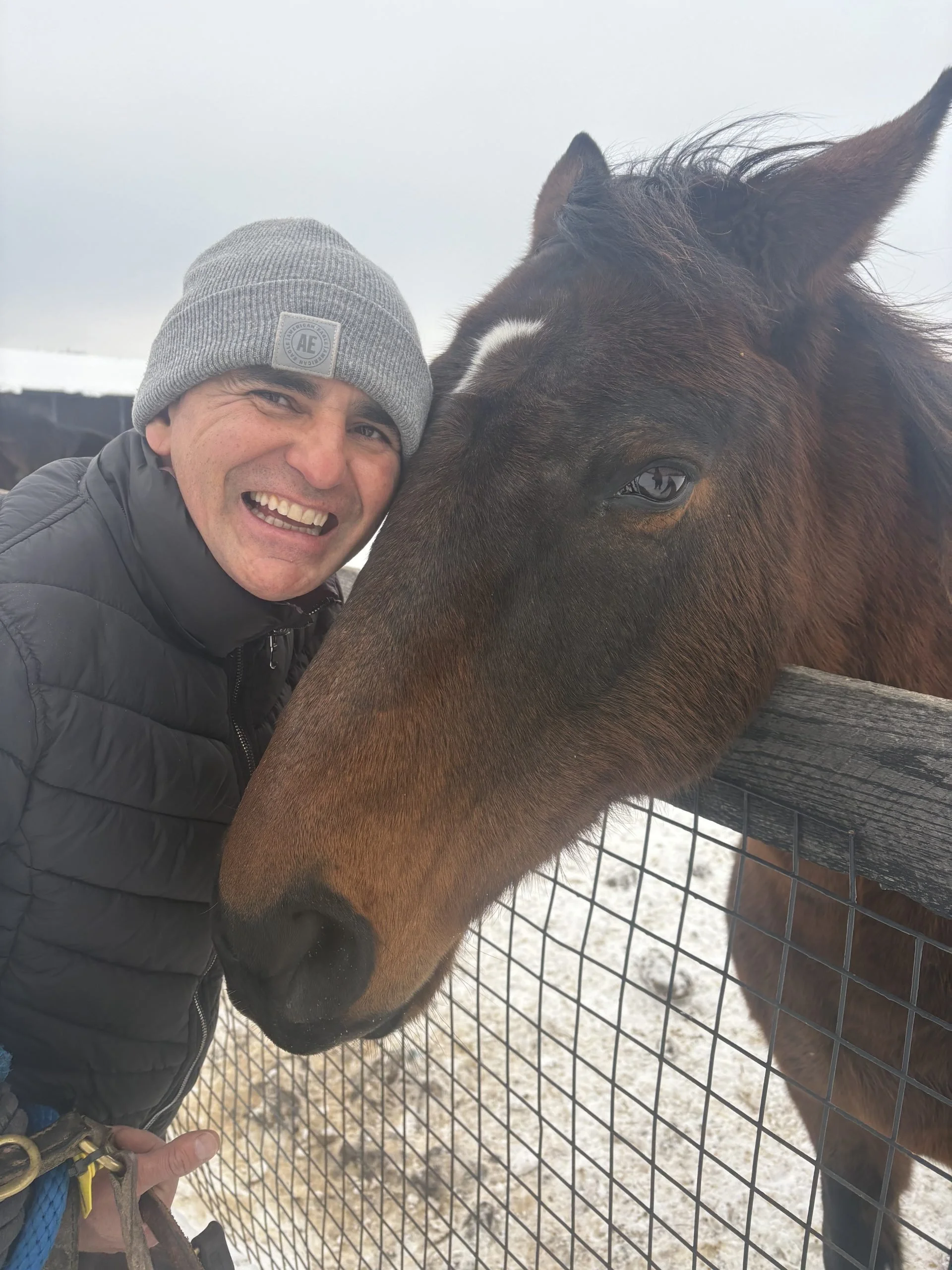
Today, when I stand beside a horse, I am not only asking: “How can I make this horse do something?”
I am asking: “What is this horse showing me?”
And perhaps even more importantly: “What is this horse helping this person see within themselves?”
There is something incredibly humbling about standing beside a 1,000-pound animal and realizing that you don’t need to control it to learn from it.
You need to listen.
You need to slow down.
You need to become present.
You need to feel.
Because sometimes the most important conversation isn’t happening through words.
It is happening through presence, energy, movement, and connection.
After 30 years of riding horses, I thought I knew them.
Today, I realize I was only beginning to understand them.
And perhaps that is one of the greatest gifts horses have given me:
They taught me that sometimes we don’t need to speak louder to be heard.
Sometimes, we simply need to become quiet enough to listen.
And when we do, the horse may reveal something that was inside us all along.
The horse doesn’t just carry us.
Sometimes, it helps us find our way back to ourselves.